

How to Safely Use Organic Rosemary Oil for Hair Growth: A Step-by-Step Scalp Guide
Thicker, fuller hair has become one of the most sought-after wellness goals, and no natural botanical has captured more attention recently than rosemary essential oil. With viral routines flooding social media, millions are turning to this aromatic herb to rejuvenate thinning edges, soothe dry scalps, and support healthy hair density.
However, concentrated essential oils must be handled properly. Applying raw essential oil directly to your scalp can cause acute contact dermatitis, irritation, or chemical burns, undoing all your hard work.
In this comprehensive guide, formulated from professional aromatherapy practice, you will learn the science behind rosemary oil, exact dilution ratios, safe application techniques, and common mistakes to avoid.
Rosemary Oil vs Minoxidil: What the Research Shows
Rosemary (Rosmarinus officinalis) is far more than an aromatic kitchen herb; it contains potent biochemical constituents, primarily 1,8-cineole, α-pinene, and carnosic acid.
-
Microcirculation Stimulation: Carnosic acid promotes nerve healing and tissue rejuvenation. When massaged into the scalp, rosemary oil stimulates peripheral blood microcirculation around dormant hair follicles, delivering vital oxygen and nutrients.
-
Cellular Health & Scalp Balance: Rosemary contains natural antimicrobial and antioxidant properties that help clarify product buildup, combat Malassezia (the yeast associated with dandruff), and calm underlying scalp inflammation.
-
The Comparative Evidence: A landmark 2015 randomized comparative trial compared rosemary essential oil to 2% minoxidil in individuals experiencing androgenetic alopecia. After six months of consistent use, both groups experienced significant increases in hair count, with the rosemary group reporting significantly less scalp itching and irritation than the minoxidil group.
Choosing Organic Rosemary Oil for Scalp Care
The scalp contains thousands of pores and hair follicles with high permeability. Using conventional essential oils carries the risk of pesticide residues, synthetic solvents, or artificial fragrance additives commonly used to adulterate commercial batches.
To achieve therapeutic scalp benefits without toxic buildup:
-
Ensure your bottle is labeled 100% Pure, Steam-Distilled Rosmarinus officinalis.
-
Verify USDA Organic certification, confirming the plant was cultivated without synthetic herbicides, pesticides, or GMOs.
-
Store your oil in dark amber glass to prevent UV photodegradation of the active cineole compounds.
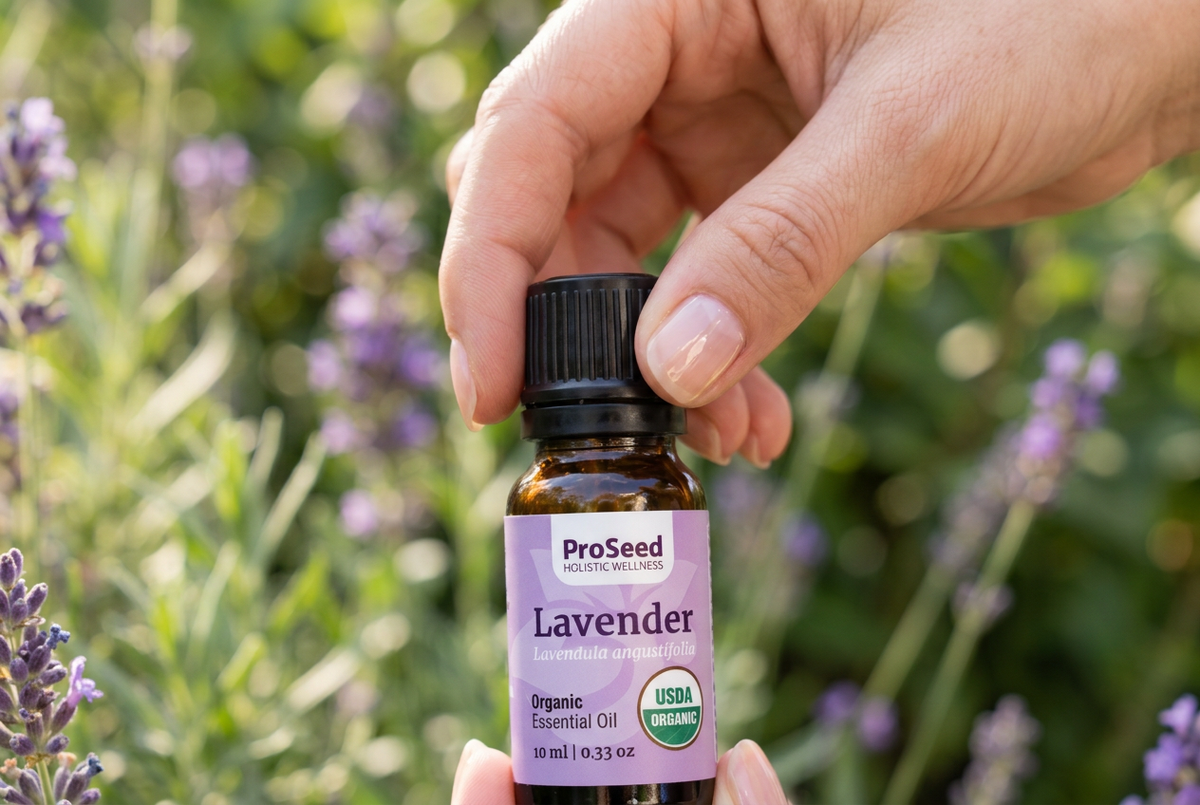
Featured Botanical: Explore our lab-tested, steam-distilled ProSeed USDA Organic Rosemary Essential Oil for pure scalp wellness.
Rosemary Oil Dilution Ratio: Carrier Oils and Application
Never apply undiluted rosemary essential oil directly to your skin or scalp. Essential oils are volatile botanical extracts; 1 drop of rosemary oil is equivalent to dozens of cups of herbal tea in concentration.
To deliver active terpenes safely into your hair roots, you must disperse rosemary oil into a lipid-rich carrier oil.
Choosing the Right Carrier Oil for Your Hair Type:
-
Jojoba Oil: Mimics the scalp's natural sebum; ideal for oily, combination, or acne-prone scalps.
-
Argan Oil: Rich in vitamin E and fatty acids; best for dry, brittle, or heat-damaged hair strands.
-
Pumpkin Seed or Castor Oil: Viscous and deeply nourishing; popular for targeting thinning edges and crown density.
The Safe Dilution Chart
| Target Dilution | Carrier Oil Amount | Drops of Organic Rosemary Oil | Best For |
| 1% Dilution | 1 Tablespoon (15 ml) | 3 drops | Sensitive scalps, daily leave-ins |
| 2% Dilution | 1 Tablespoon (15 ml) | 6 drops | Standard scalp massage (2–3x weekly) |
| Shampoo Boost | Single-use palm amount | 1–2 drops | Quick wash-day maintenance |
Rosemary Essential Oil Hair Routine: Step-by-Step Scalp Guide
Follow this targeted routine two to three times per week to nourish follicles without clogging pores:
Step 1: Perform a 24-Hour Patch Test
Before your first full application, mix 1 drop of rosemary oil with 1 teaspoon of carrier oil. Dab a dime-sized amount on your inner forearm. Wait 24 hours to ensure you experience no redness, itching, or irritation.
Step 2: Blend Your Treatment
In a small glass dish or dropper bottle, combine:
-
1 Tablespoon (15 ml) Jojoba or Argan carrier oil
-
(Optional booster) 1 drop ProSeed USDA Organic Peppermint Essential Oil for an invigorating cooling sensation.
Step 3: Section and Apply
Part dry or damp hair into four manageable quadrants. Using a glass dropper or your fingertips, apply the oil blend directly onto exposed scalp sections rather than the hair strands.
Step 4: Stimulate Microcirculation
Using the soft pads of your fingertips (or a silicone scalp brush), massage the oil in slow, circular motions for 4 to 5 minutes. Apply light-to-medium pressure to encourage lymphatic drainage and blood flow to the roots.
Step 5: Leave-In and Clarify
-
Leave the treatment on for at least 30 to 60 minutes.
-
If you do not have a naturally oily scalp, you can leave it on overnight by covering your pillow with a soft towel.
-
Wash out thoroughly using a gentle, sulfate-free shampoo. If the carrier oil feels heavy, apply shampoo directly to dry scalp before adding water to break down the oils effectively.
3 Costly Mistakes to Avoid
-
Using Essential Oil Without a Carrier: Direct application does not speed up results; it triggers contact dermatitis, flaking, and inflammation that can worsen hair shedding.
-
Inconsistent Application: Hair growth cycles run in phases (Anagen, Catagen, Telogen). Consistent application 2 to 3 times per week for 3 to 6 months is required to observe measurable changes in thickness and density.
-
Leaving Heavy Oils on Clogged Scalps for Days: Allowing unwashed carrier oils to sit on the scalp for several days traps sweat, sebum, and dead skin cells, which can trigger follicular irritation. Always wash your scalp regularly.
Frequently Asked Questions (FAQs)
Can I add rosemary oil directly to my shampoo bottle?
It is best to add rosemary oil per use rather than pouring drops into an entire shampoo bottle. Commercial shampoos contain delicate surfactant and preservative balances; adding raw oils can destabilize the formula over time. Simply add 1–2 drops of rosemary oil into your palm alongside your regular shampoo during shower time.
How long does it take to see noticeable hair results?
Botanical therapies work harmoniously with your biological hair cycle. While scalp comfort and reduced flaking often improve within 2 to 3 weeks, visible improvement in hair density and root strength typically requires 3 to 6 months of consistent use.
Can pregnant or nursing mothers use rosemary essential oil?
Pregnant or nursing individuals should consult their healthcare provider before using rosemary essential oil, as it contains camphor compounds that stimulate circulation and should be avoided in large amounts during pregnancy.
Elevate Your Scalp Ritual with ProSeed
Ready to start your botanical hair journey? Purity makes the difference between irritation and real results.
Experience unadulterated botanical care with our ProSeed USDA Organic Rosemary Essential Oil—steam-distilled, 100% pure, and third-party verified for peace of mind.

Written by Buket Kaptan
Buket Kaptan holds a master’s degree in Complementary and Alternative Medicine. She is a NAHA-certified Professional Aromatherapist and Aromatherapy Educator, an AIA-certified Aromatherapist, and an academic member of the American Botanical Council. She is the founder of ProSeed Wellness and Buket Kaptan Aromatherapy and brings her background in aromatherapy and holistic wellness to thoughtful skincare education.

Leave a comment
This site is protected by hCaptcha and the hCaptcha Privacy Policy and Terms of Service apply.